
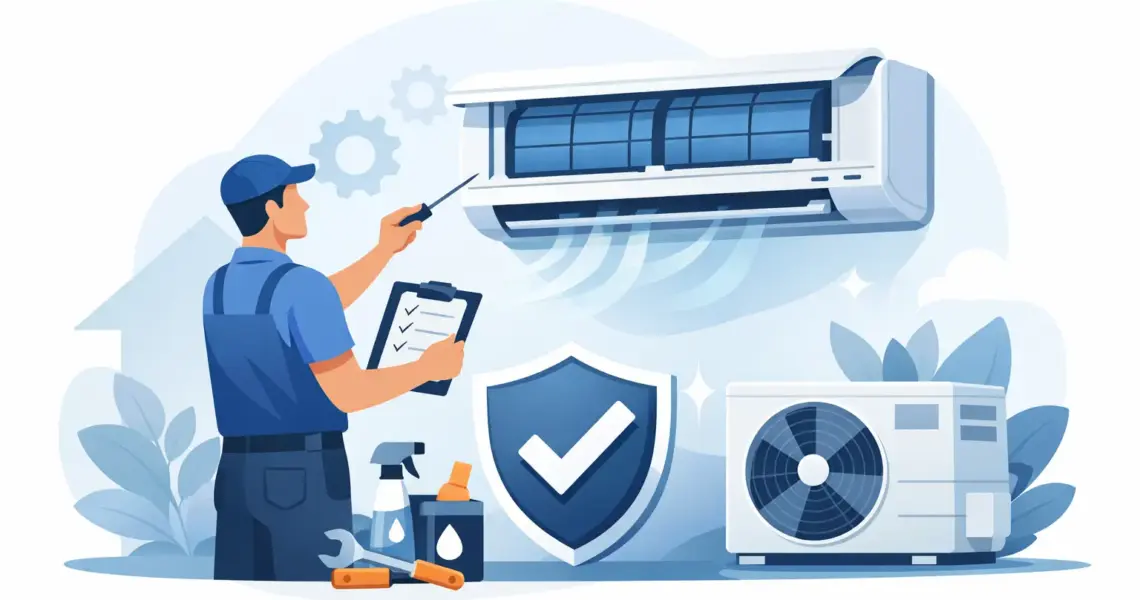
How to Maintain Split AC the Right Way
June 27, 2026A split AC that suddenly stops cooling in peak heat is rarely a surprise. In most cases, the warning signs show up earlier – weaker airflow, odd smells, water dripping, higher power bills, or rooms that take longer to cool. If you are wondering how to maintain split AC systems properly, the goal is not just to keep them running. It is to keep them efficient, clean, and dependable before a small issue turns into an expensive repair.
For homeowners, tenants, landlords, and business operators, routine AC care saves time and avoids disruption. In a place where cooling is part of daily comfort, split AC maintenance is not optional upkeep. It is part of protecting the property and keeping indoor spaces healthy and usable.
Why split AC maintenance matters
A split AC works by moving heat out of the room through an indoor unit, an outdoor condenser, refrigerant lines, filters, coils, fans, and drainage components. When one part gets dirty or worn, the whole system has to work harder. That usually means more electricity, less cooling, and more strain on major components.
The benefit of regular maintenance is simple. You get steadier cooling, better air quality, lower operating costs, and fewer emergency calls. You also reduce the chance of damage caused by blocked drains, frozen coils, or neglected electrical parts.
There is also a practical trade-off to keep in mind. Basic maintenance can and should be done regularly by the user, but not every task is safe as a DIY job. Cleaning filters is reasonable. Opening electrical compartments or handling refrigerant is not. Good maintenance means knowing where homeowner care ends and trained technical service begins.
How to maintain split AC at home
The most useful place to start is with the indoor unit filter. If the filter is clogged with dust, airflow drops quickly and the unit struggles to cool the room. In homes with pets, heavy use, or ongoing construction dust, filters can get dirty faster than expected.
Turn the unit off first. Open the front panel carefully, remove the filters, and clean them according to the manufacturer instructions. In many cases, a gentle wash with water is enough, followed by complete drying before reinstalling. Never put a damp filter back into the unit, because trapped moisture can encourage odor and mold.
Once the filter is clean, check the visible surface of the indoor coil and louvers. If there is light dust buildup, careful wiping helps. If the coil looks greasy, heavily clogged, or moldy, that usually calls for professional cleaning. Aggressive scrubbing or the wrong chemical can damage delicate fins.
The outdoor unit also deserves attention. Leaves, sand, dust, and debris around the condenser can restrict airflow and reduce performance. Keep the surrounding area clear and make sure nothing blocks the sides of the unit. A little open space around it helps the system release heat more effectively.
Drainage is another common problem area. Split AC units remove humidity as they cool, and that moisture needs to flow out through the drain line. If the line becomes blocked, water may drip from the indoor unit or stain the wall. If you notice water leakage, do not ignore it. What starts as an AC issue can become a paint, ceiling, or wall repair problem very quickly.
Signs your split AC needs maintenance soon
Some AC problems build slowly, which makes them easy to overlook. If the room feels less comfortable even though the unit is running longer, maintenance is likely overdue. The same applies if you hear unusual sounds such as rattling, buzzing, or clicking during operation.
A musty smell often points to dirt, moisture, or microbial buildup inside the indoor unit. Weak airflow may mean dirty filters, a blower issue, or coil blockage. If your electricity bill jumps without a clear reason, an overworked AC is one of the first things to check.
Short cycling is another warning sign. If the system keeps turning on and off too frequently, it may be dealing with thermostat issues, restricted airflow, dirty coils, or deeper mechanical problems. That is not something to leave for later, because repeated strain can shorten component life.
What you can do monthly and what needs a technician
The smartest maintenance routine is a simple one you can actually follow. On a monthly basis, inspect and clean filters, check for unusual noise or smell, look for water leakage, and make sure the outdoor unit is unobstructed. Also pay attention to cooling speed. If one room that used to cool quickly now takes much longer, that is useful information.
Professional servicing should go further than surface cleaning. A trained technician can inspect electrical connections, test performance, clean evaporator and condenser coils properly, flush the drain line, check fan operation, inspect insulation, and assess refrigerant-related issues if cooling is poor. This is where maintenance becomes protective rather than reactive.
For many properties, seasonal service is a practical baseline. Heavy-use systems may need more frequent visits, especially in villas, offices, shops, and units that run for long hours every day. It depends on occupancy, dust exposure, and how hard the AC works throughout the year.
Common split AC mistakes to avoid
One of the biggest mistakes is waiting for a complete breakdown before calling for service. By that stage, what could have been a cleaning or minor adjustment may have become a compressor, motor, or water damage issue.
Another mistake is over-relying on the remote settings while ignoring physical maintenance. Lowering the temperature repeatedly will not fix blocked airflow or dirty coils. It usually just forces the unit to run longer and consume more energy.
Some property owners also try deep cleaning without the right tools or experience. Spraying random cleaners into the indoor unit, bending coil fins, or opening parts that should remain sealed can create more problems than they solve. If the task goes beyond filter care and visible dust removal, it is usually more cost-effective to bring in a professional.
Skipping maintenance in rental or managed properties is especially risky. Small AC issues often become tenant complaints, emergency calls, or avoidable vacancy-related expenses. Preventive service is easier to schedule and easier on the budget than urgent repair work in the middle of a heatwave.
How maintenance improves comfort and cost
People often think AC maintenance is mainly about preventing failure. That matters, but comfort is just as important. A well-maintained split AC cools more evenly, reaches the set temperature faster, and circulates cleaner air. That makes a real difference in bedrooms, living spaces, offices, and customer-facing businesses.
There is also a clear cost angle. Dirty systems consume more power because they work harder to achieve the same result. Over time, that inefficiency shows up in utility bills. Proper maintenance helps the system do its job with less strain, which can reduce long-term running costs and support a longer service life.
If the unit is older, maintenance becomes even more valuable. You may not be able to make an aging AC perform like a brand-new one, but regular care can keep it stable, safer, and more reliable while you plan for future replacement.
When to book professional split AC service
If your AC is leaking, blowing warm air, giving off a bad odor, tripping power, freezing up, or making unusual noise, schedule service sooner rather than later. Those are not signs to monitor for months. They are signs to act on while the fix is still manageable.
Even if nothing seems seriously wrong, a routine service visit can catch hidden wear before it interrupts your day. For busy property owners and managers, that convenience matters. Reliable maintenance is not just about technical care. It is about reducing hassle, protecting the property, and keeping cooling available when you need it most.
That is why many customers prefer working with one dependable maintenance partner rather than chasing separate contractors for every issue. Companies like Dubai Home Master make that process easier by combining responsive AC care with broader property support when a leaking unit, damaged ceiling area, or related repair needs attention at the same time.
A split AC does not need constant attention, but it does need consistent attention. Clean filters, clear airflow, proper drainage, and timely professional servicing go a long way. If you treat maintenance as part of regular property care instead of a last-minute fix, your AC is far more likely to return the favor with steady, efficient cooling when it counts.