
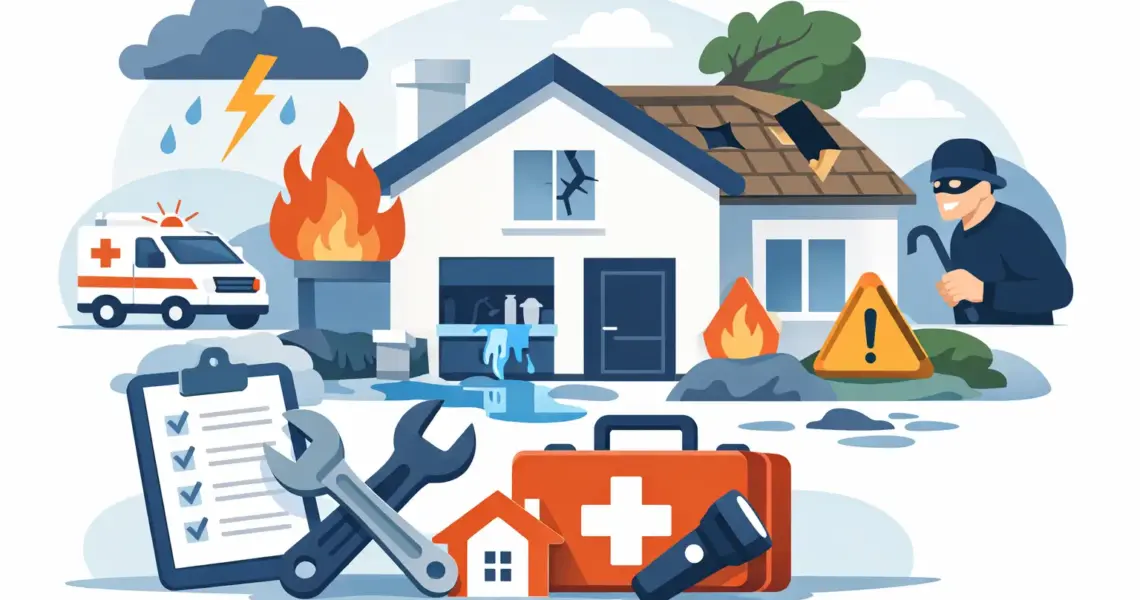
Best Emergency Home Repair: What to Do First
August 4, 2026A burst pipe at 2 a.m., a burning smell from an outlet, or water spreading across the ceiling gives you very little time to think. The best emergency home repair is not always the fastest fix with a tool in hand. It is the safest first action, followed by a qualified technician who can stop the damage and repair the underlying cause.
For homeowners, tenants, landlords, and business operators, emergencies are stressful because they can affect safety, comfort, belongings, and the condition of the property at once. A calm response can prevent a small fault from becoming expensive water damage, an electrical hazard, or a major interruption to daily life.
Best Emergency Home Repair Starts With Safety
Before trying to repair anything, look for immediate danger. If you smell gas, see sparks, notice smoke, or suspect an electrical fire, leave the area, keep others away, and contact emergency services. Do not switch lights on or off, use electrical equipment, or attempt to find the source yourself.
Water and electricity require special care. If water is leaking near outlets, appliances, a distribution board, or exposed wiring, do not step into pooled water or touch electrical fixtures. Shut off power only if the panel is accessible from a dry, safe location. Otherwise, keep clear and wait for an emergency electrician.
For a plumbing leak that is not near electricity, turn off the nearest isolation valve or the main water supply. Most homes have shutoff valves beneath sinks, behind toilets, near water heaters, or at the property’s main supply point. Once the water is off, open a faucet to release pressure and use towels, buckets, or a wet vacuum to contain standing water if it is safe to do so.
With ceiling leaks, move furniture, electronics, rugs, and valuables away from the area first. A bulging ceiling may hold a substantial amount of water and can collapse without warning. Do not puncture, pull, or press on it. Keep the room clear, turn off electricity to that area if it can be done safely, and arrange professional help.
Know Which Problems Cannot Wait
Some home issues are inconvenient. Others demand same-day attention because delay can create a safety risk or worsen the damage. The difference depends on the severity of the problem, where it is happening, and who is in the property.
A continuous water leak, an overflowing toilet, a blocked drain backing up into living areas, or a leaking water heater should be treated as urgent. So should sudden loss of water supply when it affects an occupied home or business. Even a slow leak can be an emergency if it is entering walls, cabinets, floors, or ceilings where hidden moisture can cause mold, swelling, and structural deterioration.
Electrical faults deserve an equally fast response. Tripping breakers may result from an overloaded circuit, but repeated trips, hot outlets, buzzing switches, discoloration, burning odors, or visible sparks point to a fault that needs professional diagnosis. Resetting a breaker over and over is not a repair. It can hide a problem while allowing it to become more dangerous.
Air conditioning failure is also urgent in Dubai when indoor temperatures become unsafe or when vulnerable residents are affected. A system that stops cooling during high heat, leaks water through a ceiling, produces a burning smell, or repeatedly shuts down needs prompt assessment. In Al Barsha and Al Aweer, fast AC support can make a meaningful difference for families, tenants, and occupied rental properties during hot periods.
Broken glass, damaged aluminum doors, a door that will not lock, or a failed gate may also require emergency service when they leave the property unsecured. Temporary barriers may help protect the space, but they should not replace a proper repair.
What You Can Do While Waiting for Help
The goal is to limit damage, not to perform a risky repair. Take clear photos or short videos before moving items, particularly if you need to report the incident to a landlord, property manager, or insurer. Record where water is coming from, what appliances or fixtures were in use, and when the problem began. These details help a technician identify the cause faster.
If water is involved, protect nearby belongings and improve airflow after the source has been stopped. Lift items off wet flooring where possible and avoid using standard household fans near wet electrical areas. For a drain blockage, stop using sinks, showers, washing machines, and toilets that may feed the same line until the issue has been inspected.
Avoid common quick fixes that can make a repair harder. Do not wrap damaged electrical wires with tape, pour harsh chemical cleaners into a severely blocked drain, cover a leaking ceiling with paint, or force a jammed door or window. These measures may conceal the symptom while damaging the component that needs to be repaired.
When to Call a Multi-Service Emergency Team
Emergency problems rarely stay within one trade. A leaking pipe may damage a ceiling. A faulty AC drain line may require plumbing work, ceiling repair, repainting, and electrical checks. A broken window can involve glass replacement, aluminum framing, and door or lock adjustment.
That is why choosing one dependable maintenance provider can save time during a stressful situation. Instead of coordinating separate contractors, you need a team that can assess the immediate fault, make the area safe, and identify any related work required to restore the property properly.
When requesting emergency home repair, give the provider a concise description: the location of the fault, whether water or power has been shut off, any visible hazards, and whether the problem is affecting a home, tenant, or business operation. Ask when a technician can arrive, whether an initial inspection is needed, and what the likely next steps will be. Clear communication supports a faster, more accurate response.
A professional technician should explain the issue in practical terms, separate urgent work from recommended follow-up work, and provide transparent information before major repairs begin. The quickest solution is not always the right one. For example, stopping a leak is essential, but drying the affected area and checking the source of the leak are just as important for preventing repeat damage.
How to Prevent the Next Emergency
Many emergencies begin as small warning signs. A drip below a sink, an AC unit that needs frequent resetting, flickering lights, a stiff door lock, peeling ceiling paint, or a drain that empties slowly should be addressed before it becomes urgent. Routine maintenance is usually less disruptive and more affordable than an after-hours repair.
Property owners and managers benefit from scheduled checks for plumbing connections, water heaters, AC drainage, electrical outlets, switches, sealants, roof and ceiling areas, and door hardware. Tenants can also reduce risk by reporting changes early rather than waiting for a complete failure. Early reporting protects the property and makes the repair process easier for everyone.
Keep basic emergency information accessible: the location of the main water shutoff, electrical panel, AC controls, building management contact, and a trusted repair provider. If several people use the property, make sure they know what to do if water begins leaking or an electrical issue occurs. A simple plan prevents panic when every minute matters.
What Reliable Emergency Service Should Feel Like
You should not have to guess whether a technician will arrive, whether the work is safe, or whether the original problem has truly been resolved. Reliable emergency support combines responsive communication, skilled trade work, respectful treatment of your space, and a clear path from urgent containment to full restoration.
Dubai Home Master helps property owners, tenants, and businesses handle urgent plumbing, electrical, AC, ceiling, glass, carpentry, and minor civil repair needs through one dependable service partner. The focus is simple: make the property safe, restore function quickly, and complete the work with care.
When an emergency happens, do the safe thing first, document what you see, and call for qualified help before a manageable repair turns into lasting damage.